- Trade Treasury Payments | The Liquidity Brief
- Posts
- TTP Liquidity Brief | Issue 44
TTP Liquidity Brief | Issue 44
Special Report: The Hormuz question on everyone’s mind


Deepesh Patel, Eleanor Hill, Carter Hoffman & Joy Macknight
March 09, 2026 • Estimated Reading Time: 10 minutes
🌟 Editor's note
Editor’s Note | Week of 3 March 2026
By Carter Hoffman
It’s been a busy week for the TTP team, with several industry events taking place across London. Between ICC United Kingdom’s conference on navigating rules, policy, and the digital future of trade finance, and the BAFT Europe Bank to Bank Forum, there has been no shortage of conversations around the direction of the industry.
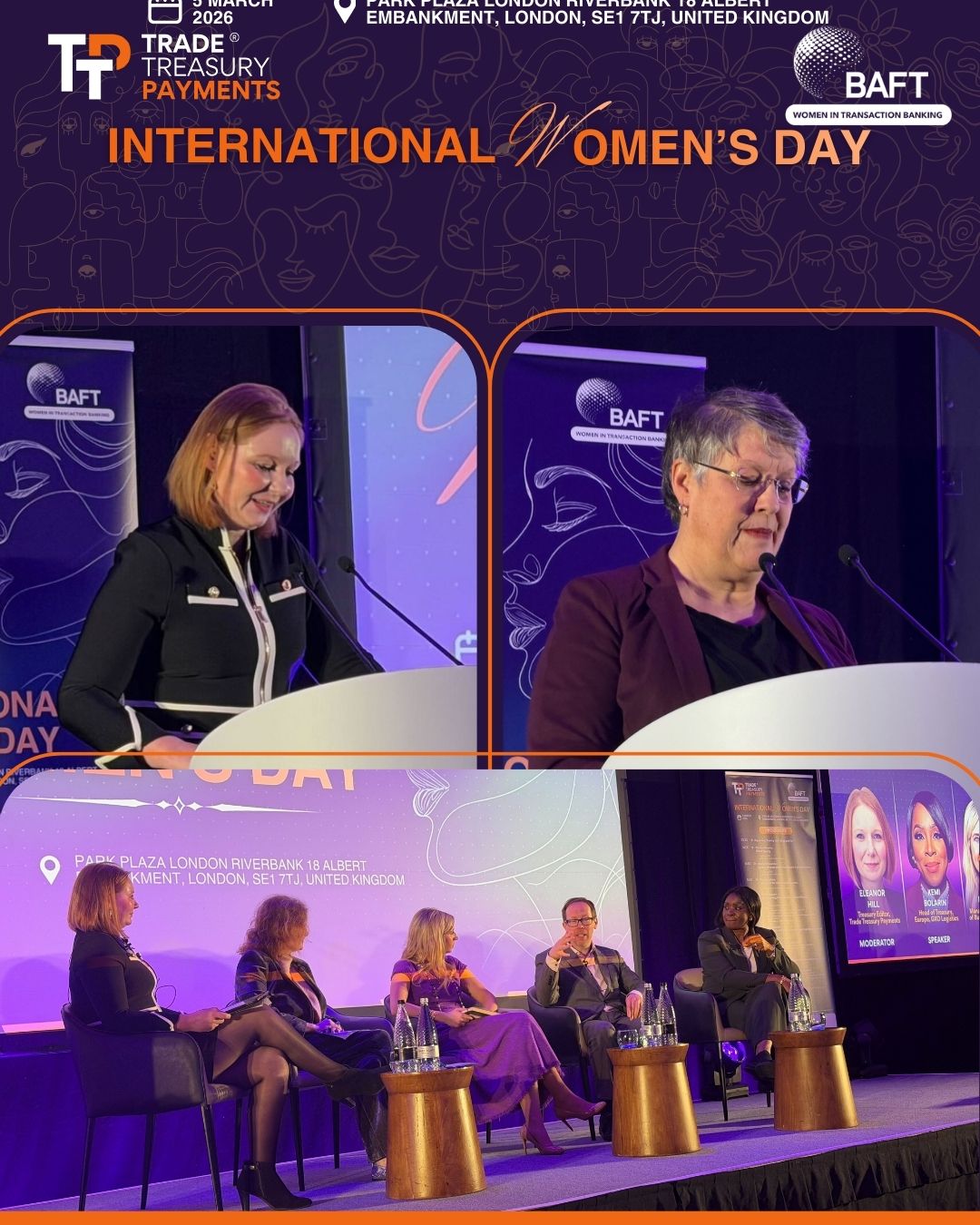
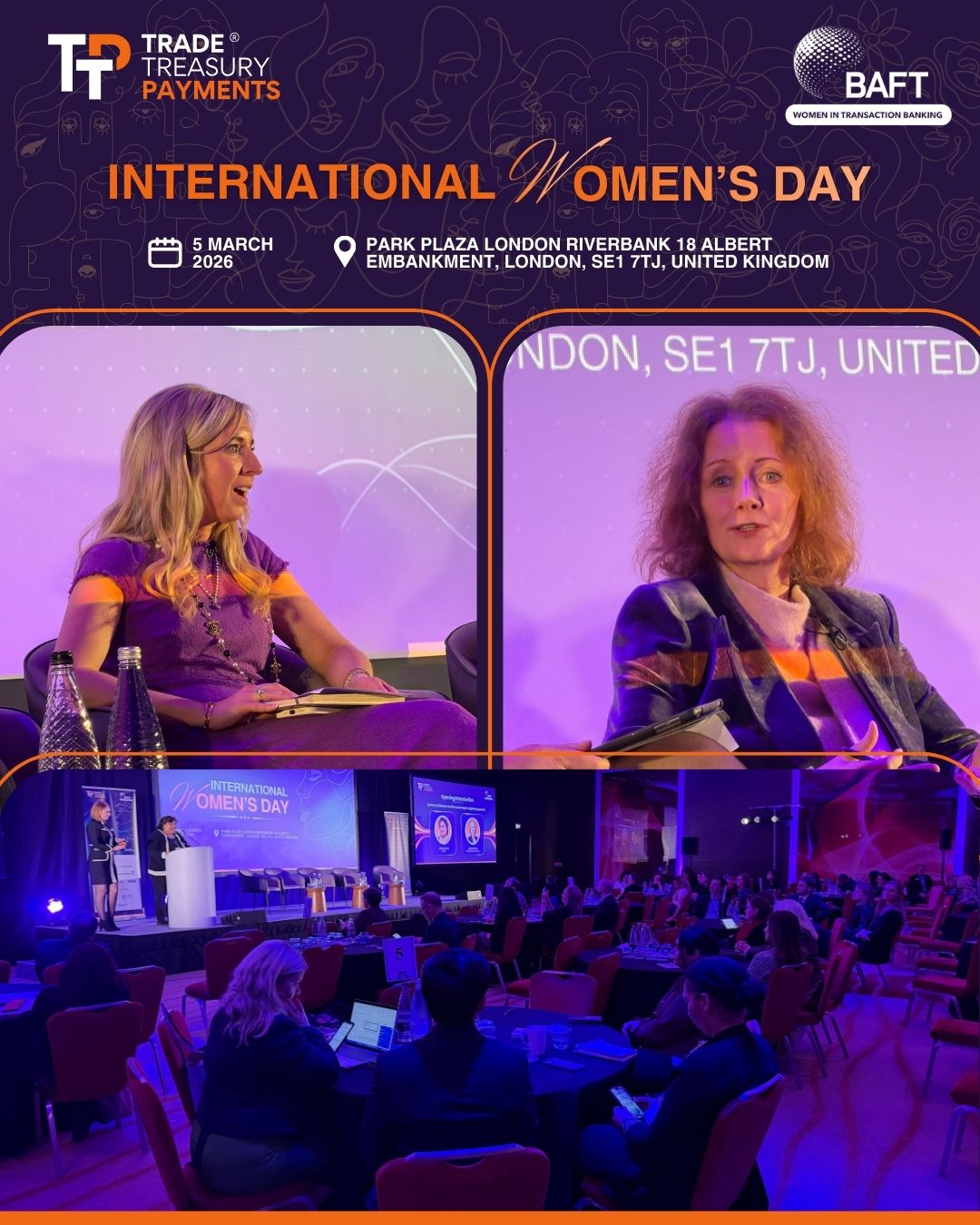
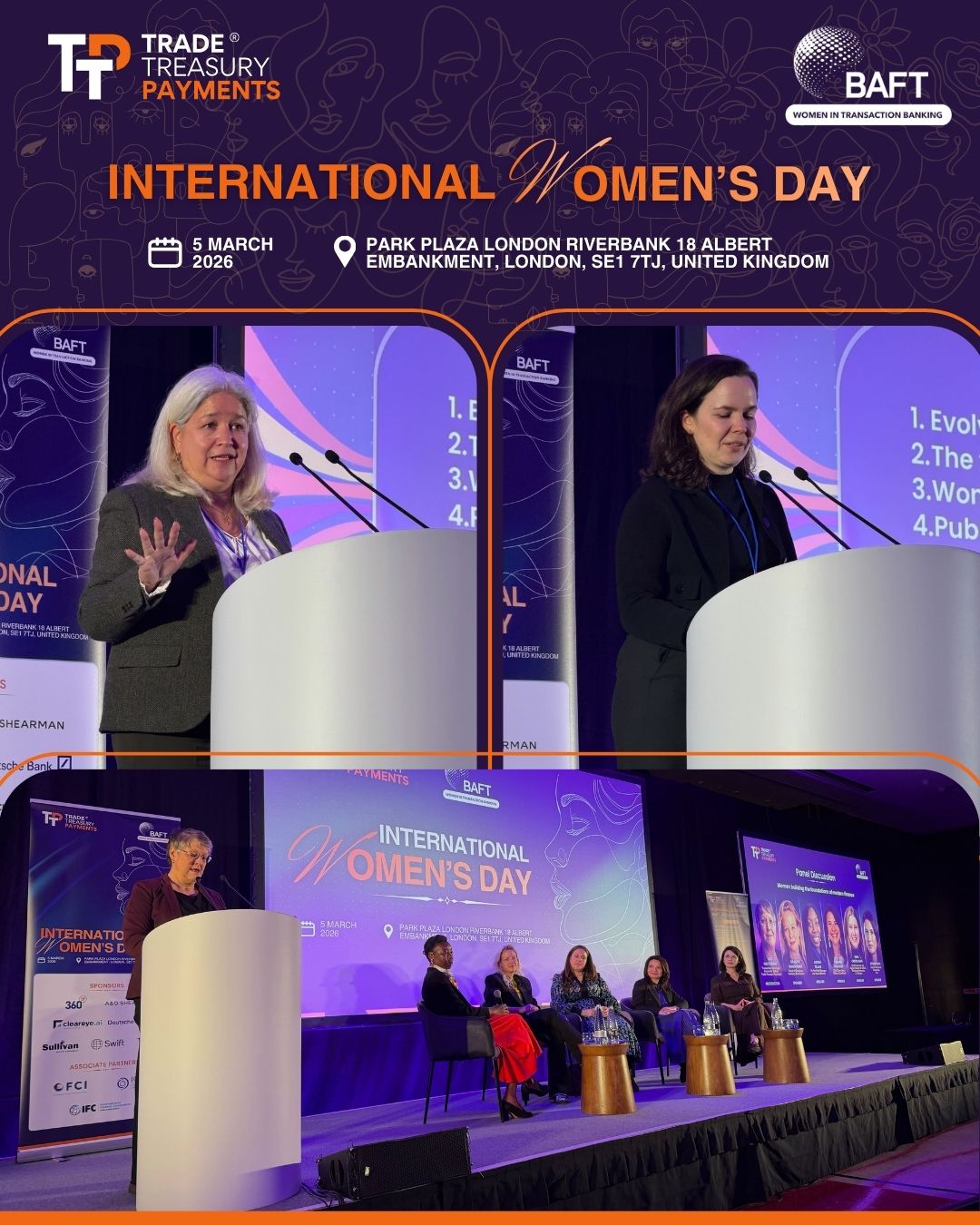
One of the highlights of the week for the TTP team was hosting the International Women’s Day event in London alongside the BAFT conference, which brought together more than 100 leaders from across trade, treasury and payments. The programme featured keynote remarks from Nicole Sandler of Ubyx on the changing economics of liquidity and settlement, alongside discussions on AI and automation in treasury, the future of cross-border payments infrastructure, fintech leadership and public-private cooperation in export finance. The event offered a timely reminder that many of the conversations shaping future financial infrastructure, are increasingly being led by women across the industry. However, progress in the sector is never guaranteed; it has to be pushed forward by people willing to speak up, challenge assumptions and create space for new voices to be heard.
Events aside, there was still a lot going on in the world, and a lot to cover and discuss as a result. As the world continues to grapple with and digest the events in the Middle East and their implications, we took a trade-focused view of the region, and particularly the Strait of Hormuz, in a conversation with University of St. Gallen macroeconomics professor Guido Cozzi. With a large share of global oil and gas flows passing through the strait, the implications stretch far beyond the region and could mean significant disruptions for global trade and energy markets.
The situation continued to evolve over the weekend. Mojtaba Khamenei was named Iran’s new supreme leader following the assassination of Ayatollah Ali Khamenei in the strikes that began on February 28, underscoring how quickly the geopolitical landscape is shifting. Energy markets have reacted sharply. According to the Financial Times, G7 finance ministers are now discussing a potential coordinated release of emergency oil reserves through the International Energy Agency, as Brent crude surged above $110 a barrel amid fears of supply disruption and wider economic fallout.
Across the week, we also covered developments ranging from financing initiatives in emerging markets to new payments infrastructure and the role of trade finance in supporting the energy transition. As always, plenty to read and listen to.
Until next time — stay safe.
— The TTP Editorial Team
Highlights from International Women’s Day
 |  |  |
Skip to your favourite part
Slow Read
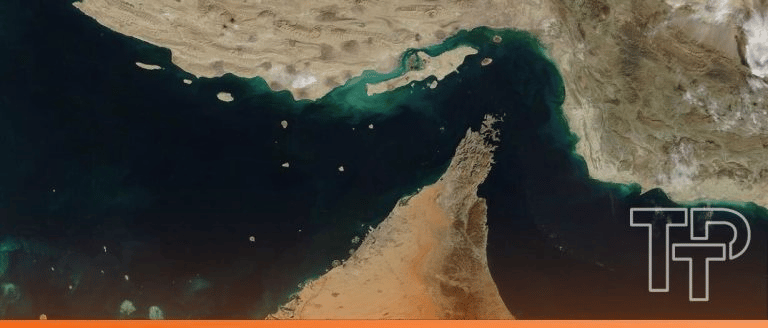
Hormuz crisis threatens global trade stability
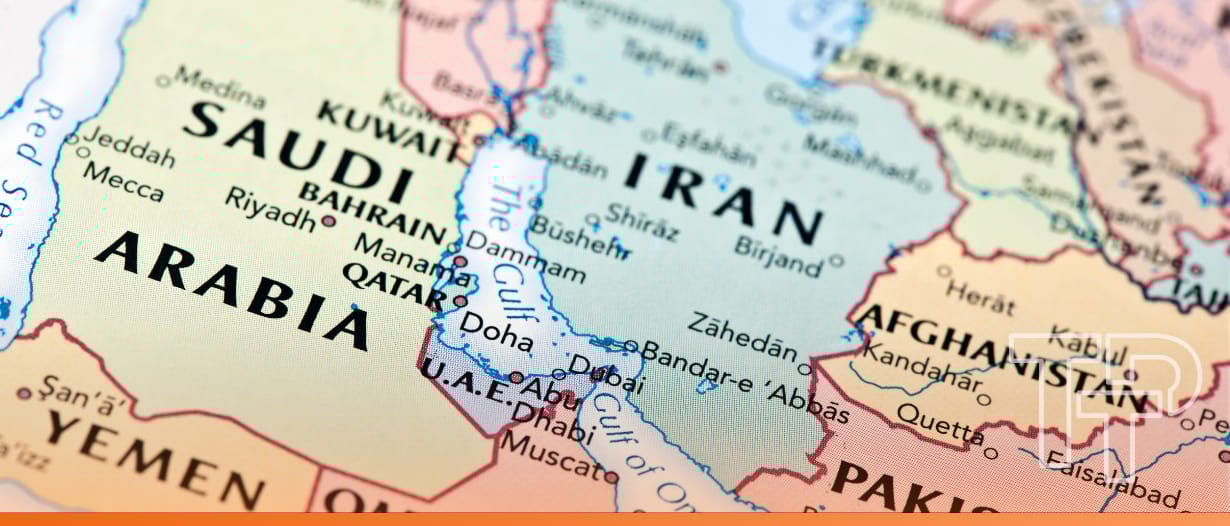
Amid the escalating tensions in the Persian Gulf region following the United States and Israeli strikes against Iran that began on February 28, there are raising concerns about global energy trade and economic stability. As one of the world’s most important shipping routes, the Strait of Hormuz has become a critical chokepoint that could create bottlenecks for the global economy.
The Strait of Hormuz is a global energy artery for Middle Eastern energy exports. The disruption to shipping through the region’s ocean gate could have a global impact. This potential interruption is not only threatening the global supply chain but also driving up energy prices and global inflation.
To help us learn more about this, Trade Treasury Payments (TTP)’s Trade and Technology Editor, Carter Hoffman, spoke with Dr Guido Cozzi, a professor of macroeconomics at the University of St. Gallen, to discuss the potential economic consequences of the escalating tensions in Iran and its economic implications in energy markets and global trading systems.
A vital artery for global energy
In the global energy market, only a few chokepoints matter more than the Strait of Hormuz. As the Middle East accounts for a large share of the world’s energy supplies, shutting down the strait could cut off a significant portion of global energy. “The Middle East is very important for oil and also for natural gas,” Cozzi said during the podcast, ”and the Hormuz Strait is where 20 per cent of natural gas is passing, and 25 per cent of oil is passing as well.”
Due to the region’s high concentrations of natural gases, the shipping route has become one of the most important checkpoints in global trade. These natural gases supply markets in Europe, across Asia, and throughout other parts of the world.
“At the moment, I heard there are about 3,000 ships blocked, which would bring oil and liquefied natural gas to Asia and to Europe,” Cozzi mentioned.
Geopolitical tensions and economic disruption are threatening global economic welfare. The consequences could reach far beyond the Middle East. If such disruptions continue, the Strait of Hormuz will become a global energy bottleneck, putting pressure on oil flows to economies around the world.
Global supply chains shift
One immediate effect of pausing shipments through Hormuz is that countries will seek alternative energy sources. Nonetheless, shifting whole supply chains will take time and resources. “China, Japan, and South Korea heavily depend on Middle East oil,” Cozzi said, adding that “Asia is in the worst position at the moment.” As most Asian countries rely on gas from the Middle East or Russia, the US sanctions on Russian oil have limited their options.
In contrast, European countries have slightly more diverse energy suppliers. Cozzi suggested that they have the alternative of pursuing suppliers in the Americas or Africa. “The most important sources would be in America, the United States and countries that can supply oil, like Venezuela, for example, and also some countries in Africa,” he explained.
As energy shipments face disruption, the short-term solution will involve rerouting shipments. But over time, the crisis will pressure the economy to shift toward alternative energy resources.
“If the price of gas and oil is going up, then presumably this will turn the potential demand towards alternative energy,” Guido said. “Technological progress will be incentivised there.”
The ripple effect
One of the earliest disruptions is a rise in energy prices. The global economy is too interconnected, and this event will quickly affect global trade, particularly in Europe, where developed economies already consume significant amounts of energy. “The price of oil has increased by about 10 per cent in Europe, and the price of natural gas has increased by about 60 per cent in Europe,” Cozzi said. The pressure in the Middle East has not only caused a dramatic shift in energy prices but has also demonstrated that geopolitics is reshaping the global supply chain.
At the same time, Cozzi suggested that instability in the Middle East could reinforce the US’s role as a financial leader. “I see the United States stronger simply because it’s isolated geographically from the focus of this crisis,” Guido said. During periods of geopolitical uncertainty, investors often allocate capital to safe-haven assets, particularly the US dollar. This could strengthen the US dollar’s role as a leader in the international economy.
“The role of the dollar will be emphasised,” Cozzi said. “De-dollarisation trends will probably slow down.”
Another potential consequence that could detrimentally impact global trade is inflation. Industries that depend highly on energy, such as metals, chemicals, and fertilisers, will be impacted first. “Many sectors are going to be affected,” Cozzi said. “With energy being a cost of all sorts of industries, this is going to have stagflationary effects on most of the economic activities… With high costs, the demand will decrease, and supply will have to adjust,” he further explained.
In the end, the impact will be widespread across the ecosystem. Over time, this will impact production levels, employment, and financial markets.
Trade and Investment digest


Treasury and Payments digest

🗓️ Upcoming events
Credit & Surety Week 2026
| ICC Global Banking Commission March 2026 Meeting
|
Digital Trade for Regional Growth: Foundations, Finance & Adoption
| IFC Global Trade Partners Meeting
|
Women in Trade: Leader Development Workshop
| 2026 BAFT Global Annual Meeting
|
Commodity Trading Week Europe
| Money 2020
|
FCI 58th Annual Meeting
| ICC Austria's Trade Finance Week 2026
|
Multimedia from Trade Treasury Payments


🚀 Our latest edition

Did You Know?
The Strait of Hormuz carries approximately 20 million barrels of oil per day, around 31% of global seaborne crude flows, and nearly one third of globally traded fertiliser exports also transit the Gulf.
Pipeline bypass capacity in Saudi Arabia and the UAE can absorb only 15–20% of normal throughput, meaning even short-lived disruption has the potential to push energy, fertiliser and food input prices higher within weeks.