- Trade Treasury Payments | The Liquidity Brief
- Posts
- TTP Liquidity Brief | Issue 47
TTP Liquidity Brief | Issue 47
From IFC’s women’s roundtable to currency risk, here’s what’s shaping trade finance right now.

Carter Hoffman
March 30, 2026
🌟 Editor's note
Editor’s Note | Week of 24 March 2026
By Carter Hoffman
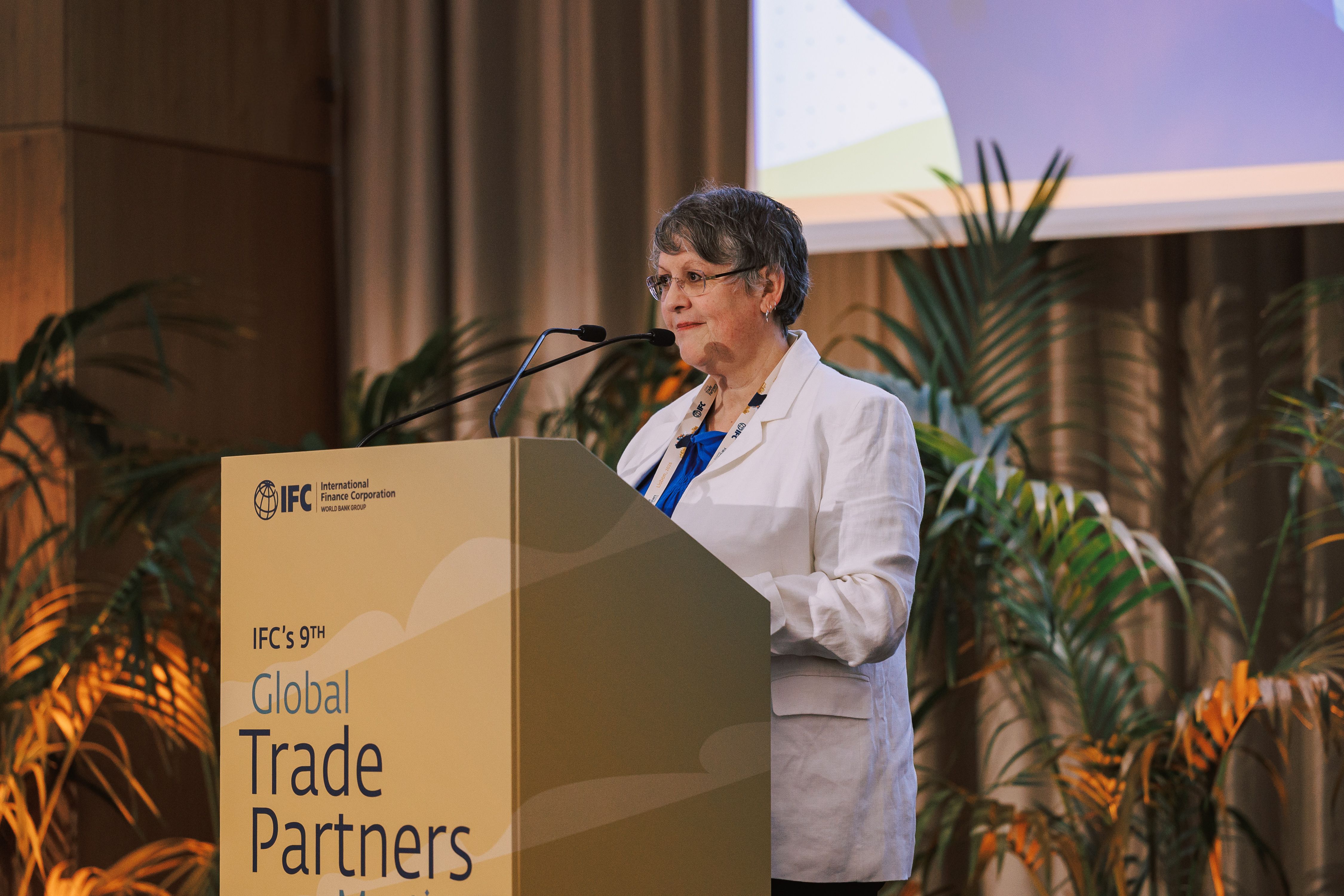
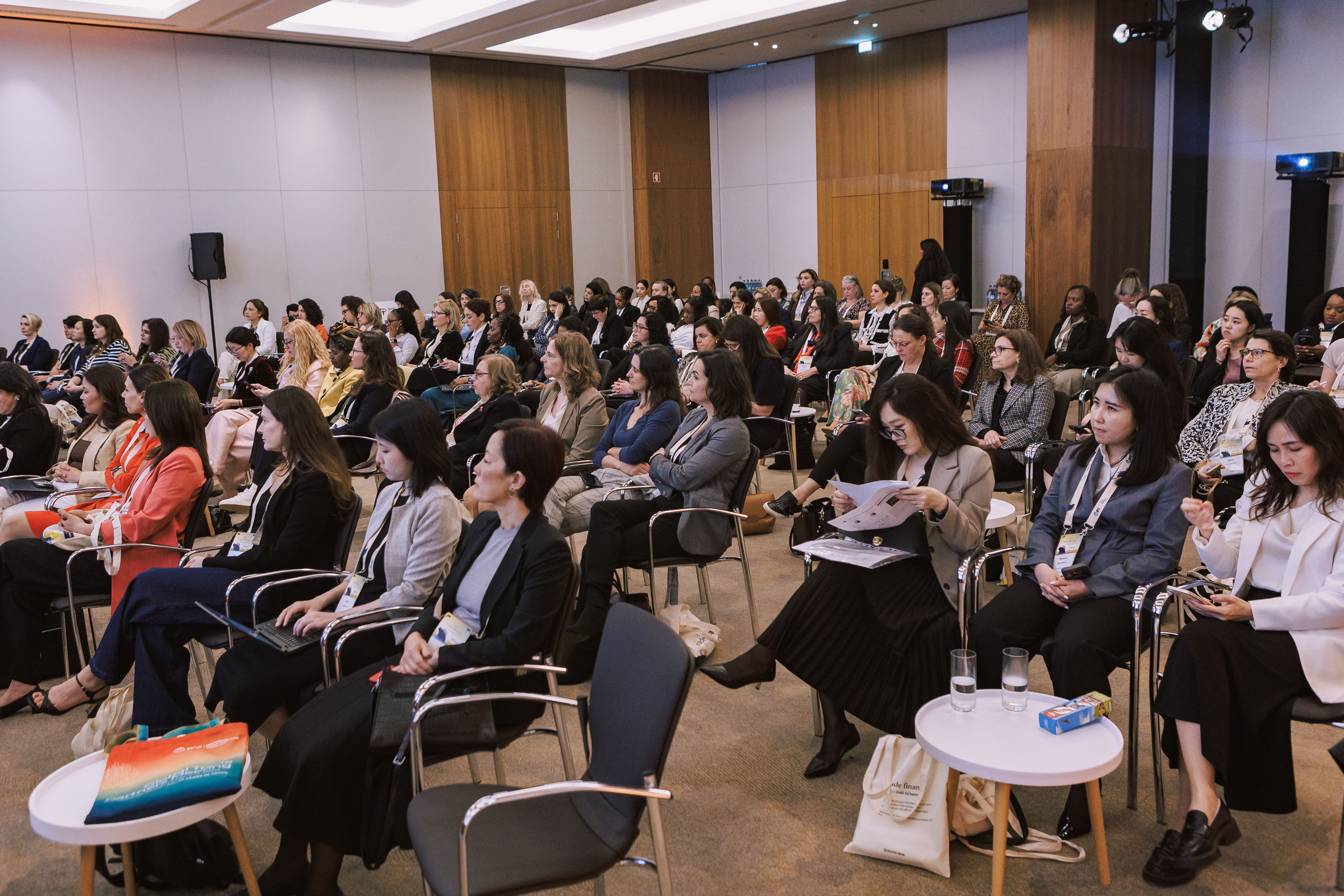
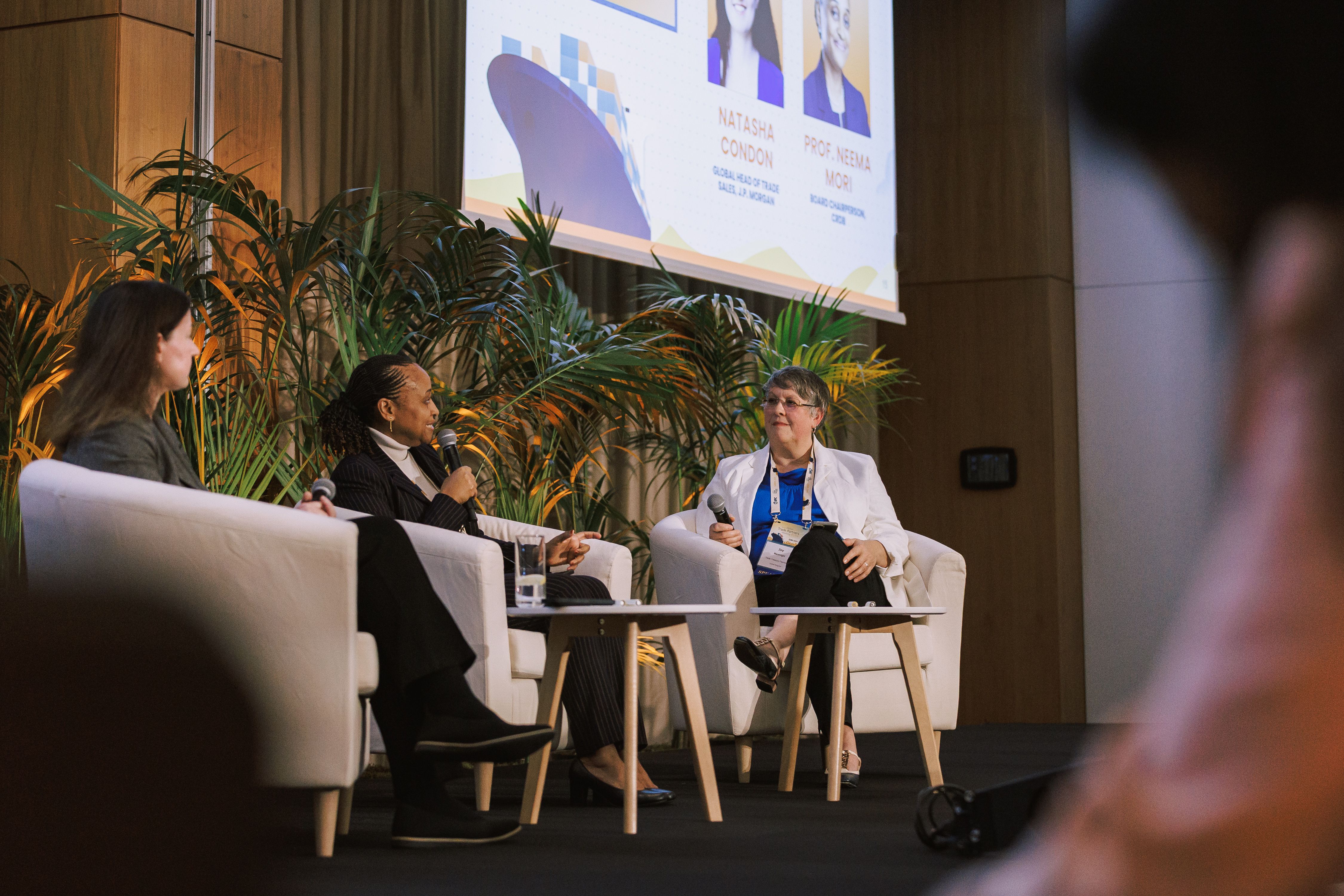
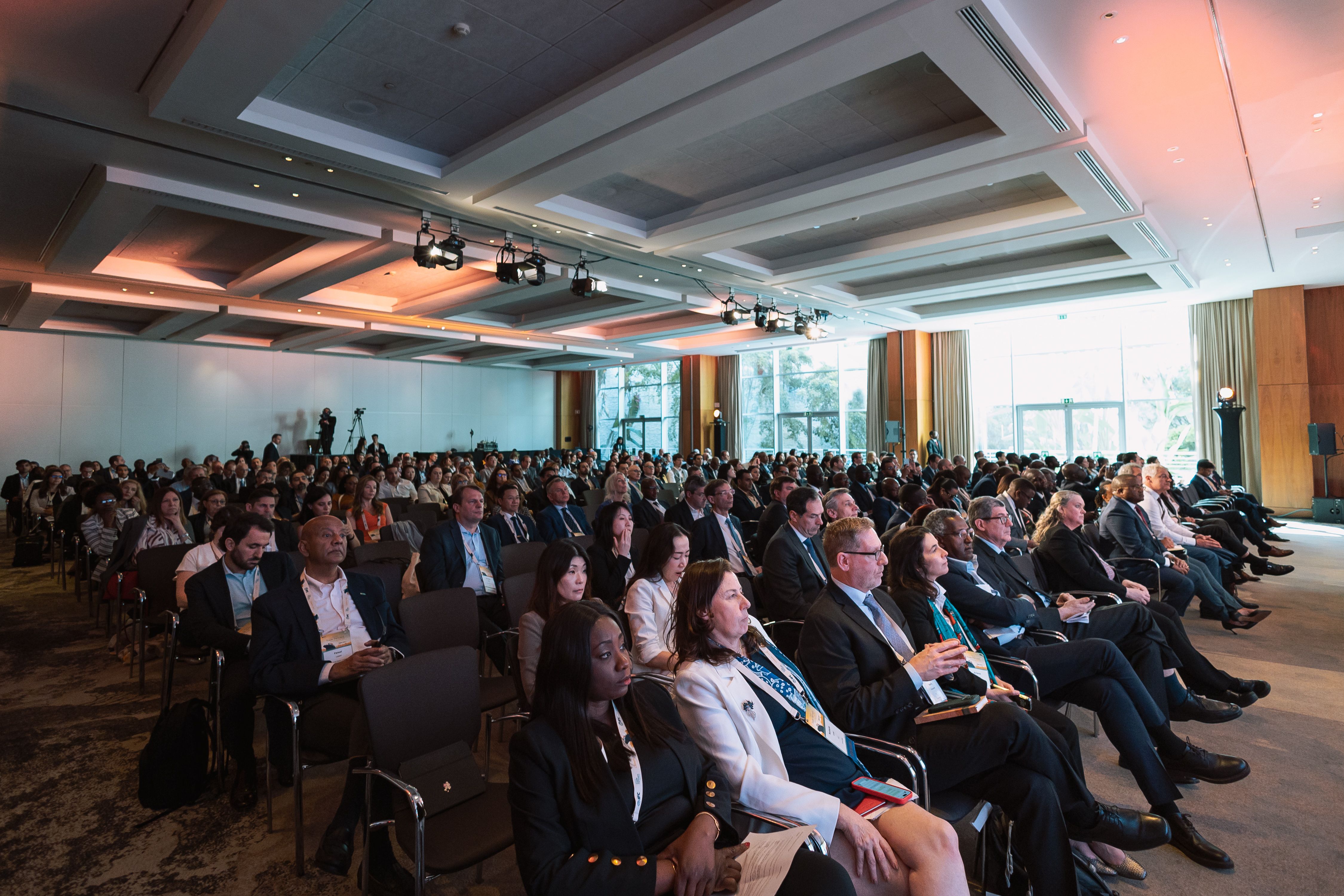
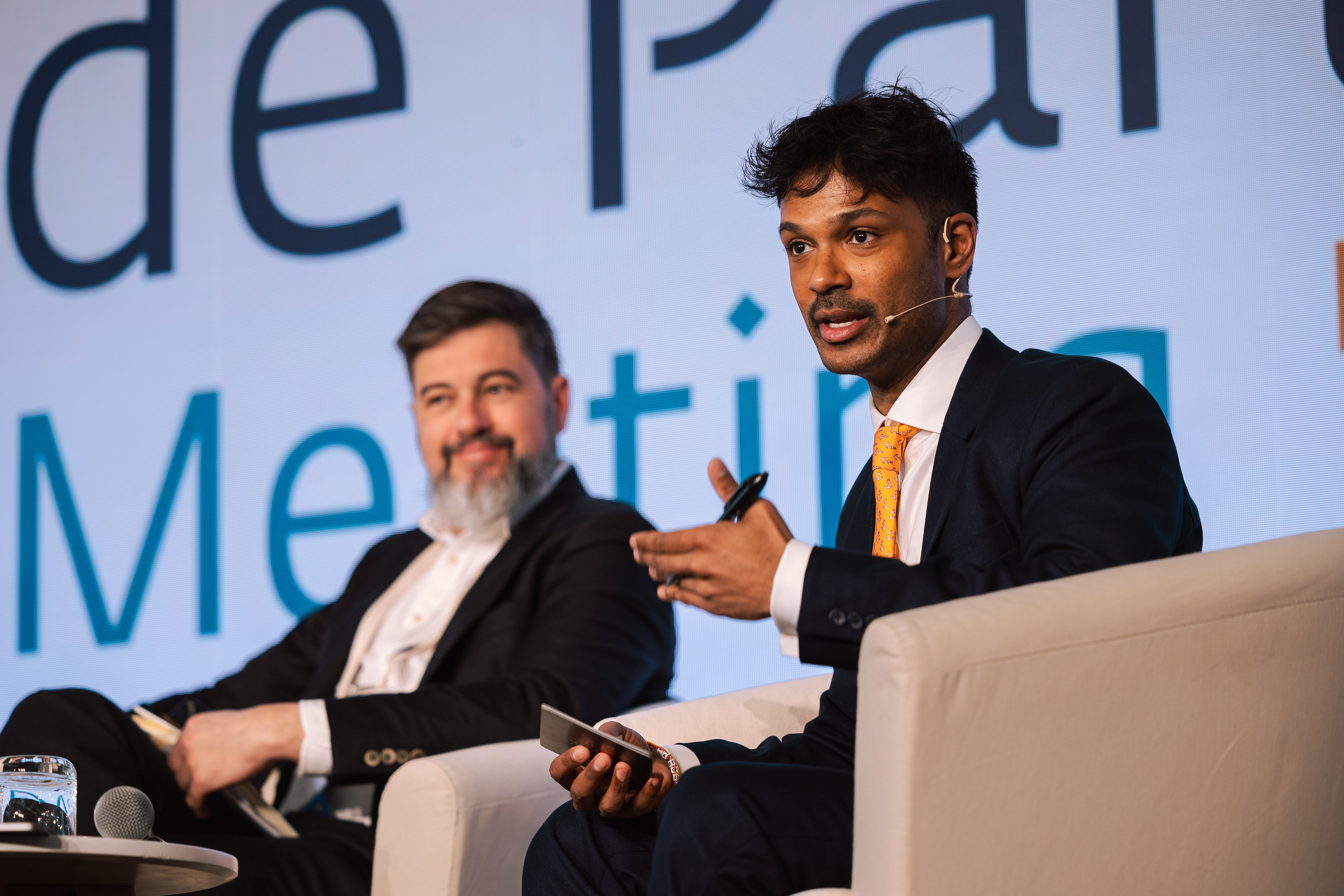
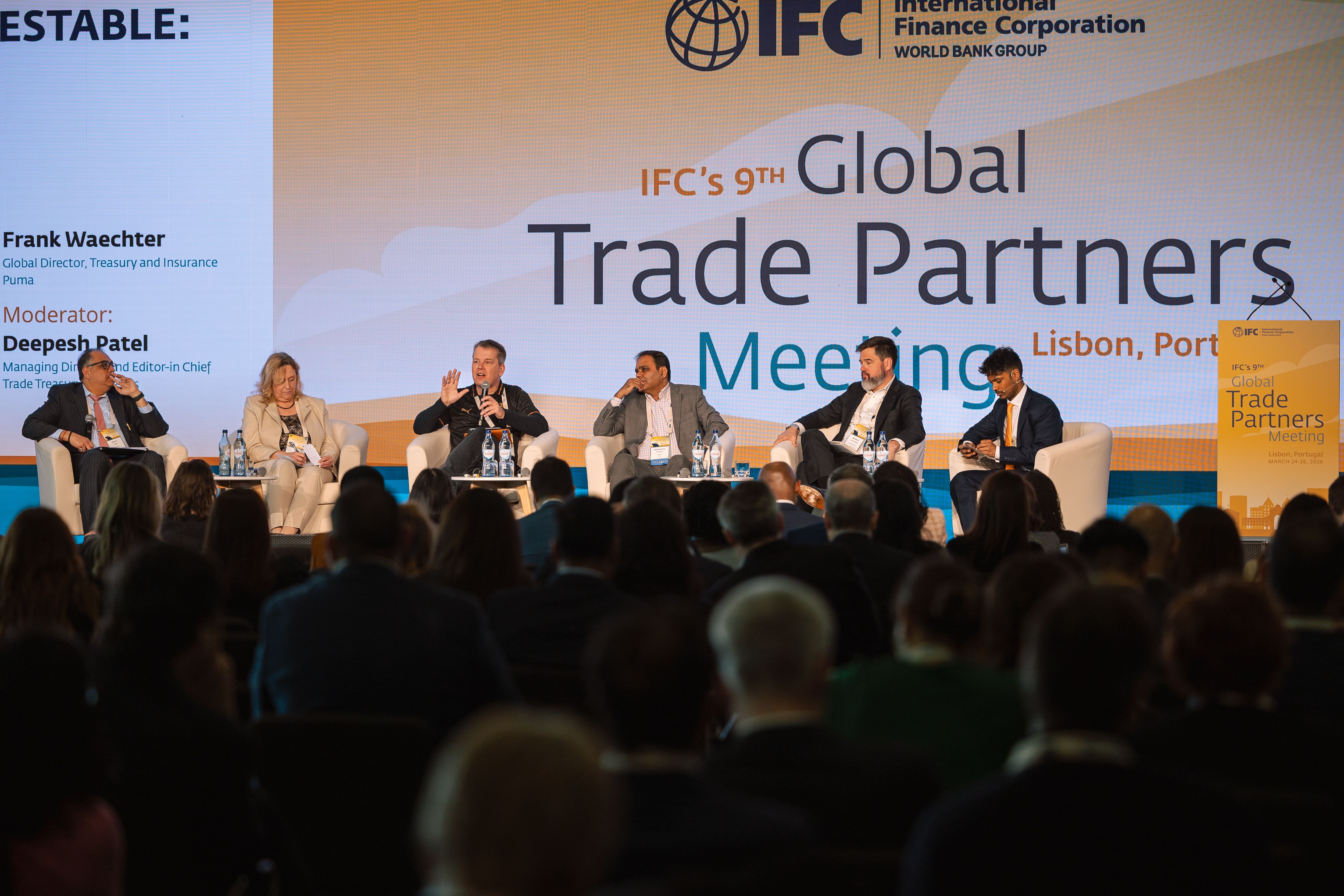
The TTP team touched down in sunny Lisboa this week for the IFC’s 9th annual Global Trade Partners’ Meeting, where we also partnered with IFC to host our Women in Trade and Supply Chain Finance roundtable.
It was so inspiring to see over 100 women from across banks, development institutions, and industry come together under one forum to explore how access to trade and supply chain finance can be expanded for women-led businesses. We’ll be sharing more interviews and insights from Lisbon in the coming weeks.
Beyond that, this week’s slow read looks at a different kind of gap. It explores why the trade finance gap cannot be solved without addressing the foreign exchange gap that sits alongside it, and how currency risk continues to shape access to finance in many markets.
Across the rest of the week, we’ve been covering developments linked to the conflict in the Middle East and their impact on trade and shipping, alongside and a range of activity across trade, payments, tokenisation, and financial infrastructure.
As always, there’s plenty to read and watch.
Until next time — more from Lisbon soon.
— The TTP Editorial Team
Weekly Highlights
Captured Photos at IFC 9th Global Trade Partners Meeting
Slow Read

You can’t fix the trade finance gap unless you fix the FX gap
By: Duarte Pedreira, Global Head of Trade & Working Capital Finance, Crown Agents Bank and Chair, Trade Finance Conference of Parties
The global trade finance gap remains a persistent obstacle to shared prosperity in emerging markets. First quantified by the Asian Development Bank in 2013 at $1.9 trillion per year, the shortfall has grown to $2.5 trillion despite advances in technology, regulation, and financial sophistication.
Small and medium-sized enterprises (SMEs) are central to this issue. According to the World Bank, they represent around 90 per cent of all businesses and more than half of global employment. In developing economies, SMEs drive diversification and value creation. Yet they face systematic exclusion from trade and working capital finance. When viable SMEs are unable to fund imports, exports, or participation in regional supply chains, growth stalls, inequality deepens, and economic development is impaired.
The persistence of a $2.5 trillion gap reveals an uncomfortable reality: the binding constraint is not a lack of capital, but ineffective risk transfer. Even commercially sound, well-structured, and fully compliant transactions still fail to attract funding because jurisdictional, regulatory, or balance-sheet considerations deter international lenders. Risk aversion, rather than bankability, has become the dominant obstacle.
Middle East Conflict Digest



Trade digest


Treasury, payment and global banking digest



Monument to tokenise retail deposits on public blockchain
Monument Bank is set to become the first UK bank to tokenise retail deposits on a public blockchain, in partnership with the Midnight Foundation.
Customers will be able to hold interest-bearing deposits as digital tokens, fully backed, redeemable in GBP, and covered by existing protections.
It also signals a shift in access. Products typically reserved for private banking and institutional clients, including private markets, are being pushed closer to retail.
The first phase targets £250 million in deposits, with further steps expected to expand into investments and lending.
https://www.linkedin.com/feed/update/urn:li:activity:7443318846263894016/
Celebrating 100 years of credit insurance and surety
On Monday, 30 March, we will release our second TTP Studios interview, where our Treasury Editor Eleanor Hill speaks to Executive Director of ICISA - International Credit Insurance & Surety Association, Richard Wulff, talking about the last century of trade credit insurance and surety.
From a largely domestic product in 1926 to an industry now supporting around 15% of global trade, Wulff will reflect on how the sector has evolved and why it still sits at the core of global commerce.
Watch this space, only on TTP Studios!
https://www.linkedin.com/feed/update/urn:li:activity:7443250670226350081/
VIDEO | Stablecoins are getting more attention from treasury teams
At BAFT (Bankers Association for Finance and Trade) in Jersey City, Trade Treasury Payments (TTP) spoke with Noah Herman from Fortris about how they are being used. They are often grouped with broader crypto, but in reality the use case is more straightforward.
“If you’re focusing on stablecoins, this is truly just a digitising or tokenising of a dollar…”
Firms are already using them to move funds across borders or deal with local constraints. It is less about replacing treasury systems and more about adding another rail.
“It’s actually an order of magnitude change.”
https://www.linkedin.com/feed/update/urn:li:activity:7443237927599468544/
Ripple joins MAS BLOOM initiative with Unloq
Ripple has joined the Monetary Authority of Singapore (MAS)’s BLOOM initiative, working alongside Unloq to pilot new models for cross-border trade settlement.
The initiative focuses on tokenised bank liabilities and regulated stablecoins to improve how value moves across borders.
Built on the XRP Ledger, the pilot brings trade execution, financing and settlement into a single flow. Payments are triggered only once key conditions, such as shipment confirmation, are met.
The focus is practical: reduce friction, improve transparency, and widen access to trade finance, particularly for SMEs.
https://www.linkedin.com/feed/update/urn:li:activity:7442937280098652160/
IFC boosts trade finance support for Sri Lanka’s private sector with $20 million credit line
The IFC - International Finance Corporation has provided a $20 million credit line to Nations Trust Bank PLC under its Global Trade Finance Program (GTFP) to support Sri Lanka’s private sector.
This funding enhances the bank’s ability to finance importers and exporters, enabling small and medium-sized enterprises (SMEs) to access global markets and supply chains.
The initiative addresses the global trade finance gap, which disproportionately impacts small businesses, by providing risk mitigation that facilitates more cross-border transactions.
It particularly supports underserved segments such as women-owned SMEs and agribusinesses, expanding opportunities across new and strategic trade corridors.
https://www.linkedin.com/feed/update/urn:li:activity:7442916415608795136/
VIDEO | Trade-based money laundering and the role of AI in tackling compliance silos
At the BAFT (Bankers Association for Finance and Trade) conference in Jersey City, Trade Treasury Payments (TTP)’ Deepesh Patel spoke with Mariya George, CEO and co-founder of Cleareye, on why TBML is still hard for banks to deal with.
It comes down to how trade finance works in practice.
Different teams are involved. Different systems as well. Not always connected.
So you don’t really get a full view of what is happening across transactions. That’s where things get missed.
https://www.linkedin.com/feed/update/urn:li:activity:7442878275456004096/
🗓️ Upcoming events
2026 BAFT Global Annual Meeting
| Commodity Trading Week Europe
|
Money 2020
| FCI 58th Annual Meeting
|
ICC Austria's Trade Finance Week 2026
|
Multimedia from Trade Treasury Payments



🚀 Our latest edition

An old bill, due again
In this edition of Trade Treasury Payments, we look at the long and complex relationship between war and money. Across history, governments have faced the same challenge when conflict begins: how to fund military campaigns without weakening the economy that supports them.
https://tradetreasurypayments.com/publications/an-old-bill-due-again-a-short-history-of-war-finance
Did You Know?
Lisbon is not just a destination for travellers – it is also at the heart of global trade finance this week. Over 100 women from banks, development institutions and industry came together at the IFC’s 9th Global Trade Partners Meeting to explore ways of making trade and supply chain finance more accessible for women-led businesses. These discussions highlight a part of the financial system that often goes unnoticed but is vital for economic growth.
At the same time, the global trade finance gap, now estimated at $2.5 trillion, continues to hold back small and medium-sized enterprises. It is not a shortage of capital that is the problem but the difficulty of managing risk across borders and navigating currency fluctuations. Innovations such as tokenised cash, stablecoins and AI-driven compliance tools are beginning to address these challenges, creating new opportunities for businesses to participate in international trade and shaping the way liquidity reaches those who need it most.