- Trade Treasury Payments | The Liquidity Brief
- Posts
- TTP Liquidity Brief | Issue 56 - Back to trade finance school
TTP Liquidity Brief | Issue 56 - Back to trade finance school
We launched an updated Trade Finance Guide and explored why some fraud lessons never seem to stick.

Carter Hoffman
June 01, 2026
🌟 A note from the Deputy Editor
Hola from Miami!
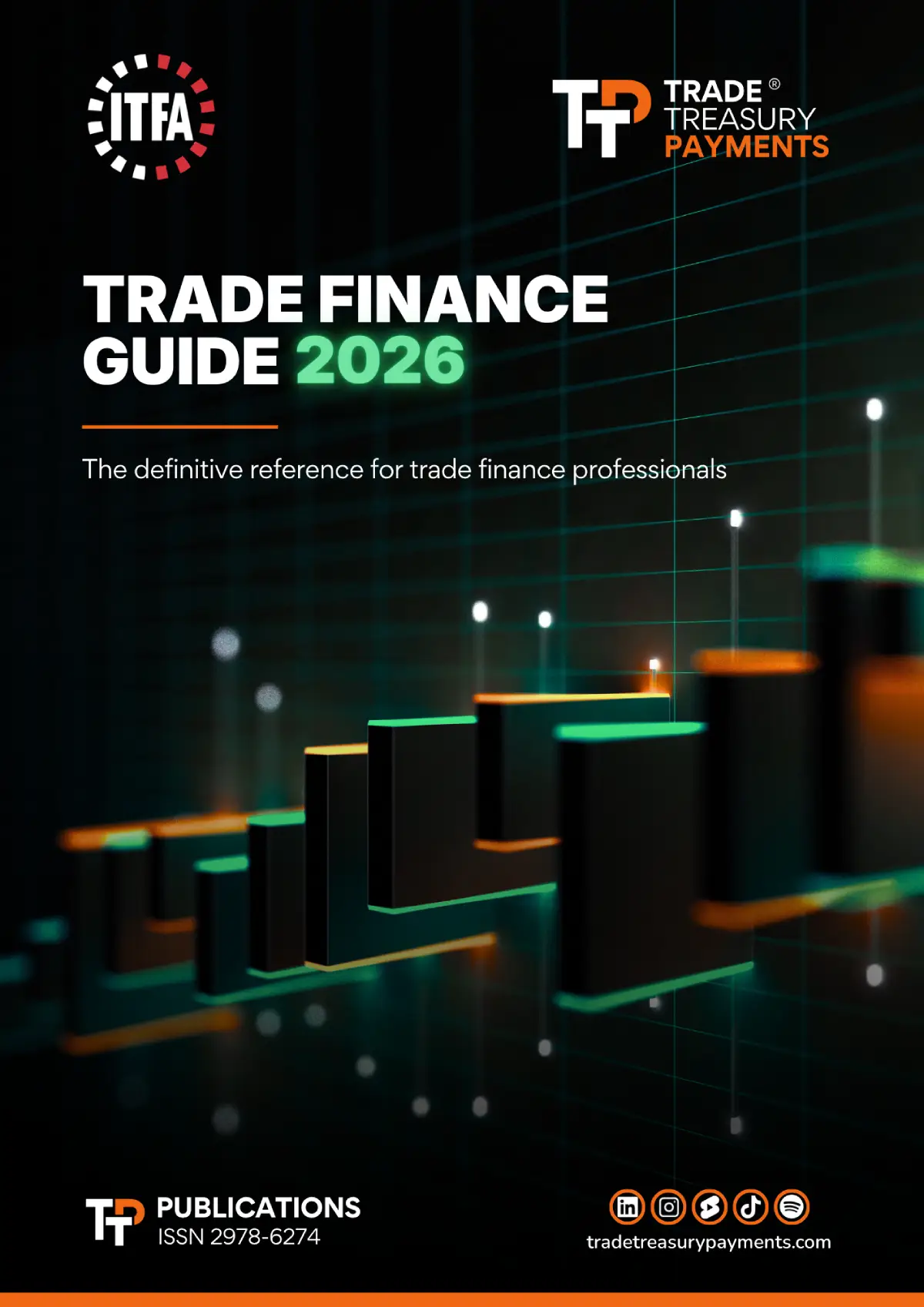
TTP team was on the ground in The Gateway to the Americas for the 2026 edition of the ITFA Americas Annual Conference, where we were delighted to officially launch the updated Trade Finance Guide 2026, produced in partnership with ITFA.
Trade finance sits at the heart of global commerce, but it can also be one of the more complex corners of the financial industry to navigate. The guide is designed to help make that world a little more accessible.
Many of the conversations throughout the week touched on the common themes that are everywhere in today's market. Fraud prevention and digitalisation perhaps being the two most talked about items on the agenda. And for good reason.
That focus on fraud has also come up in this week's slow read, which looks at lessons learned, and sometimes forgotten, from trade finance fraud cases over the years. Elsewhere, we covered new research on Africa's growing trade finance gap, developments in treasury and payments, and a number of conversations exploring the future of trade finance in an increasingly fragmented world.
As always, there's plenty to read and watch.
Until next time — keep learning.
— The TTP Editorial Team

Country of the Week: Japan
Did you know that Japanese silver helped fuel global trade in the 16th century? At one point, Japan was one of the world's largest silver producers, supplying precious metals that flowed through trade networks linking East Asia, Europe, and the Americas during the early age of global commerce.
Japan trade stats (2024):
Total exports: $739B | Total Imports: $719B |
|---|---|
Largest export destination: United States ($141B) | Largest import partner: China ($162B) |
Largest Export: Cars ($116B) | Largest Import: Crude Petroleum ($73B) |
Source: OEC
Slow Read

Fraud prevention in trade finance – lessons learned and lessons forgotten
By: Robert Parson, Partner, Sullivan
Previously published by Finance and Credit Law
Trade finance, the statistics will tell you, has an enviably low rate of loss – making it an attractive asset class, increasingly admired by private credit and other non-bank financiers despite a slow but steady retreat by many banks that had underwritten global trade for decades.
Global merchandise trade in 2025 exceeded $35 trillion with around half of that figure requiring some form of trade finance. The attraction in being part of that business lies in part in the mature nature of the financial products and the legal structures and security packages that support them, much of it governed by English law whose judiciary carefully monitor the impact of commercial changes and market behaviour and make subtle changes in the law to keep it relevant and useful to users.
Trade digest


Treasury, payment and global banking digest


Topic of the week: Guarantees

Guarantees are widely used in international trade to provide financial assurance when buyers and sellers operate across borders, unfamiliar jurisdictions, or long project timelines.
Learn more on our new Guarantees topic page!
Follow us on LinkedIn for the latest updates!


🗓️ Upcoming events
ICISA 100th Anniversary
| Money 20/20
|
EBRD 2026 Annual Meeting and Business Forum
| FCI 58th Annual Meeting
|
ICC Austria's Trade Finance Week 2026
| Two Landmark TF COP Gatherings in 2026
|
Commodity Trading Week Americas co-located with Energy Trading Week Northeast 2026
| ITFA Emerging Leaders Half-Day Workshop with TTP, London
|